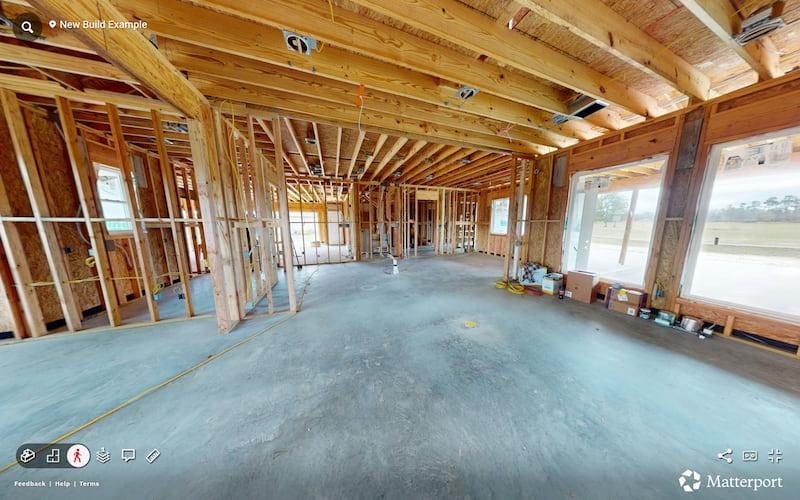
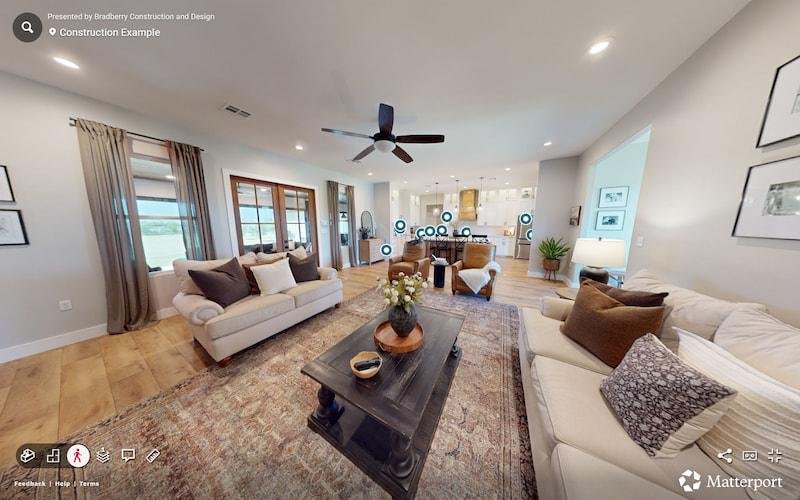
Whether you're listing a home or buying one, an independent, dated 3D record of its condition and contents gives everyone at the table the same clear picture — agents, buyers, sellers, and HOA boards alike — before the keys change hands.
A real estate transaction moves fast, and everyone in it is relying on a different version of the truth — the agent's listing photos, the seller's memory, the buyer's walkthrough notes. A DHDO scan replaces all three with one independent, room-by-room 3D record of the home's condition and contents, captured by a professional and timestamped to a specific point in the transaction.
DHDO is a documentation tool, not a real estate valuation, inspection, or legal service. It doesn't replace your agent, your inspector, or your closing attorney — it sits alongside them as a shared reference point everyone in the transaction can go back to.
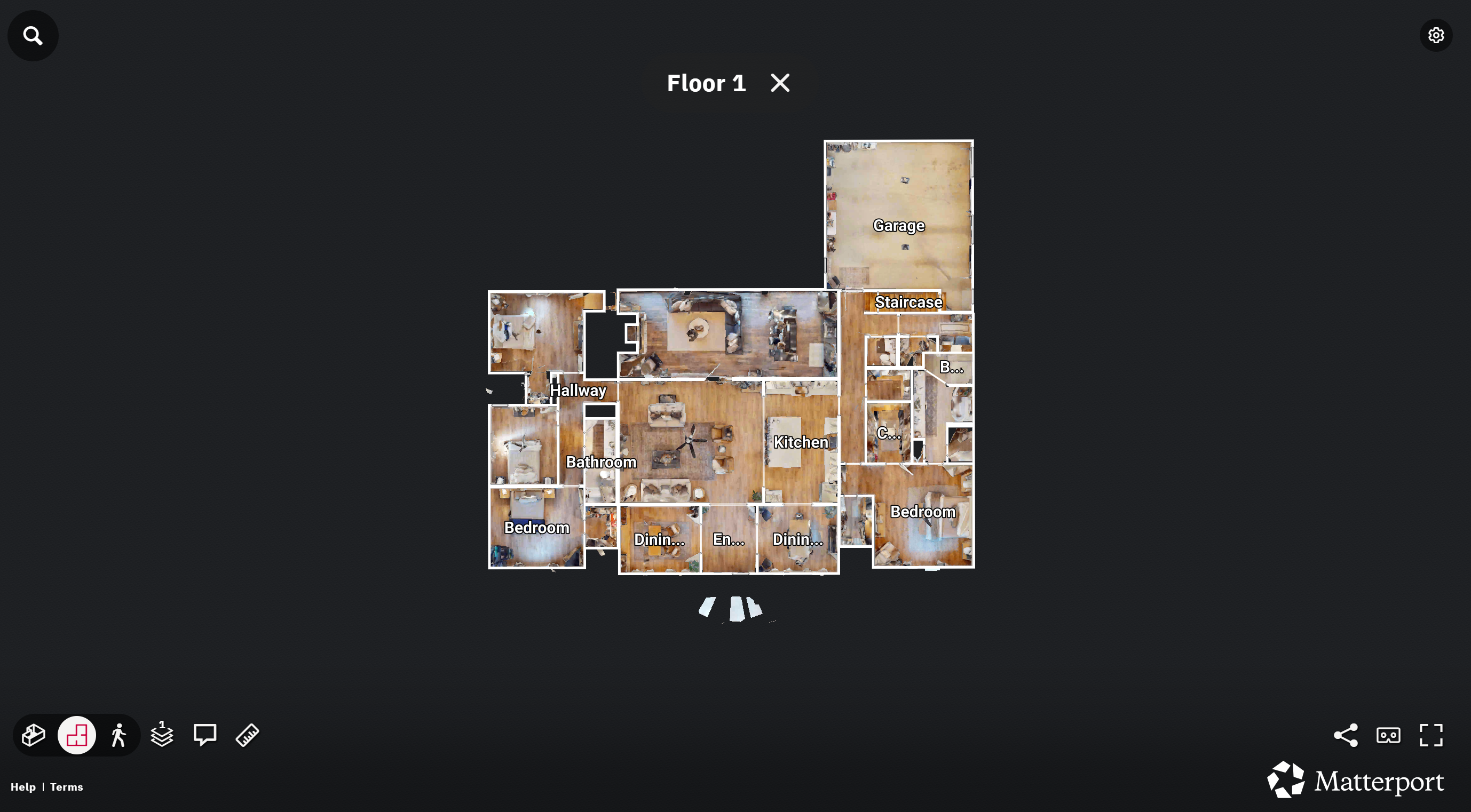
The floor plan generated from an actual DHDO scan — every room labelled, straight from the capture.
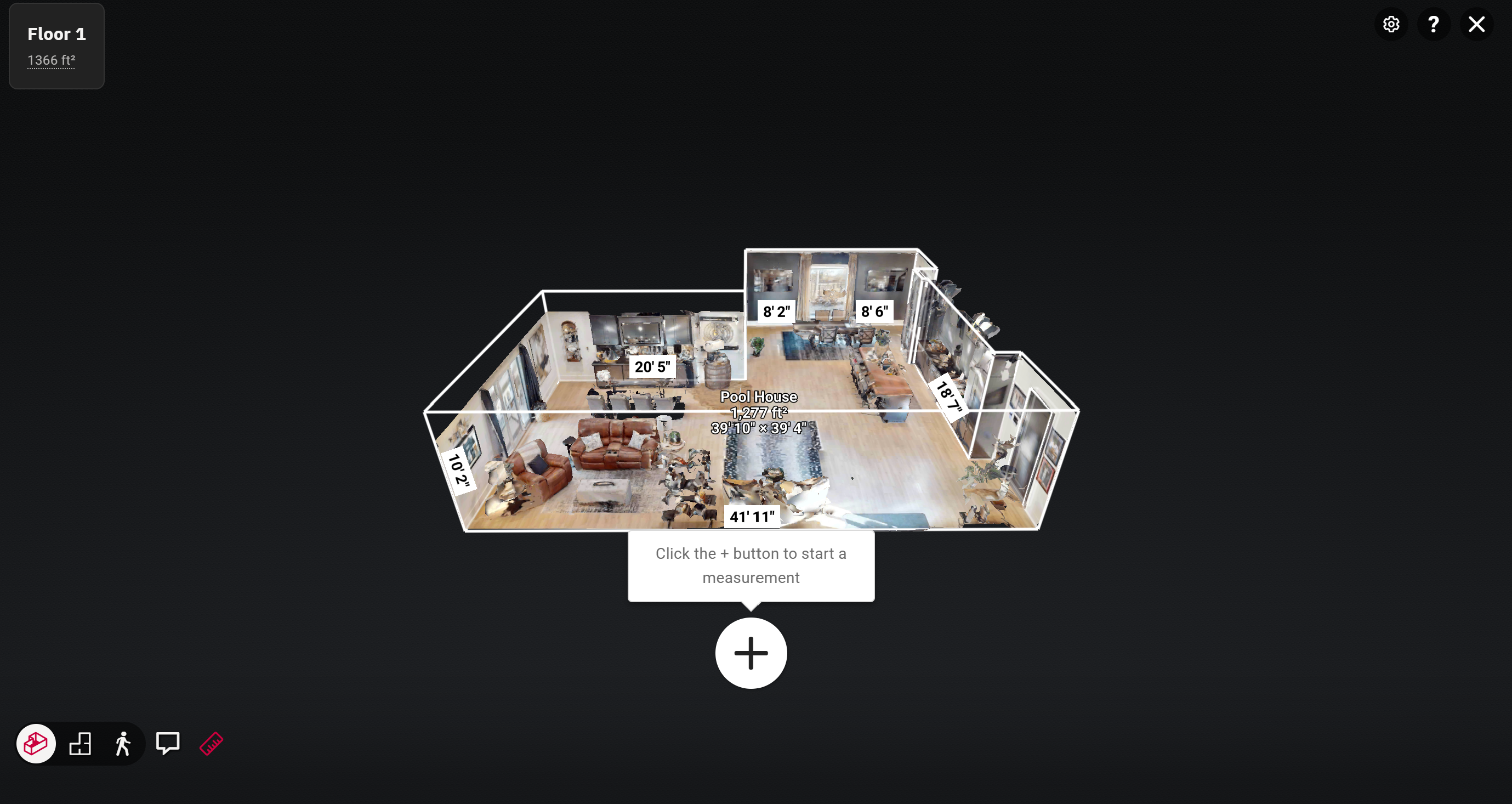
Dimensions come off the scan itself — area and wall lengths measured from the capture rather than estimated.
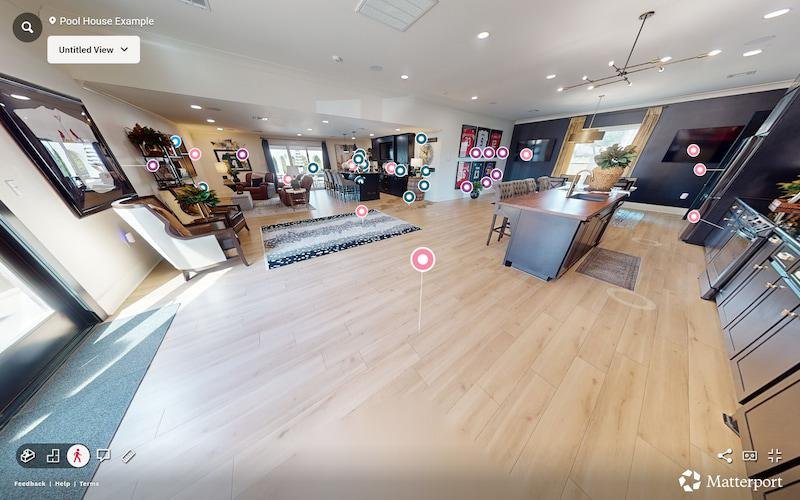
A full 3D walkthrough captured before a property goes on the market — a dated baseline of how the home looked at listing, room by room, that both sides can revisit.
Louisiana law requires sellers to disclose known defects — including flood and storm history — but only what they actually know at the time. A DHDO record doesn't replace that disclosure form or your agent's legal guidance, but it gives you something concrete to point to if a question about condition comes up later.
A shared, navigable reference both parties can rely on — delivered through a private, secure portal. Share access with your agent, attorney, or the other side of the transaction any time it's needed, without digging through old email attachments or rescheduling a walkthrough.
Give your agent a listing asset that goes beyond phone photos — and keep a professional-grade record for yourself, independent of what the listing tour shows.
Walk through a home in complete detail before you ever schedule a showing — and keep a copy of what you saw, so the home you toured and the home you close on are the same one on record.
Documenting a whole community is scheduled and quoted as one project rather than a series of separate visits. Quotes for HOA boards and community programs are built around the scope of the work, the location, and the number of homes involved.
of home sellers admit to withholding a known problem from buyers — and 95% of buyers report finding issues with the home after closing.Source: Cinch Home Services homebuyer survey
Most disputes after a sale come down to condition — what was there, what shape it was in, and what each side remembers. A dated record made at the time of sale replaces recollection with reference. It doesn't promise any particular price or outcome; it simply documents.
A typical listing tour is built to sell the house and usually comes down once it's under contract. A DHDO record doesn't expire with the listing — sellers can keep it as their own pre-loss record, buyers can use it as a move-in inventory, long after the sale closes.
Was that ceiling stain there before closing, or after? Post-sale condition questions are common and hard to resolve on memory alone. A record captured at the time of sale settles the question instead of starting an argument.
For buyers and sellers alike, knowing the property's condition at the time it went to market can help ease the stretch from offer to closing — through any question that comes up along the way.
A record made at the time of sale is one both sides can rely on long after closing. Booking takes one quick phone call — we'll confirm your scan date within one business day.
Book a ScanThese are actual Matterport scans we've delivered to clients. Click any card to explore the full interactive 3D model — this is exactly what you receive.


Yes — a marketing tour and a DHDO scan solve different problems. Your agent’s tour is optimized to sell the house and typically comes down once it’s under contract. Your DHDO scan stays in your private portal with tagged asset details a marketing tour doesn’t capture, so you still have it after the listing is gone.
Industry data points in that direction — homes with 3D tours tend to draw more online engagement and, in a number of studies, sell somewhat faster than listings with photos alone. Results vary by market and depend heavily on the rest of the listing (pricing, photos, description), so we don’t promise a specific outcome. What a DHDO scan reliably adds is a documented, professional-grade record your agent can use in the listing and you can keep afterward.
A DHDO scan is not legal advice and doesn’t replace Louisiana’s Property Disclosure Document or your agent’s guidance on what you’re required to disclose. What it can do is give you an independent, dated record of the home’s condition at the time of listing — useful if a question about condition comes up after closing. Louisiana holds sellers to a “knew or should have known” standard, so a timestamped record of visible condition can help demonstrate good faith. Talk to your agent or attorney about what Louisiana’s disclosure requirements mean for your specific sale.
Your tagged asset details and documents stay in your private DHDO portal for as long as that portal stays active — see our Privacy Policy for the annual renewal details — and you keep your physical thumb drive permanently either way. This is different from your agent’s marketing tour, which most providers only keep live for about 6 months after closing before it’s archived or deleted. If a realtor books the scan (for example, on a vacant listing), ownership of the DHDO record can be transferred to the new homeowner after the sale, who can then take over the hosting to keep it active.
No — and if timing matters, a scan-only record (no asset tagging) is typically ready in just 1 business day, often faster than your listing photos and marketing tour. Most sellers schedule it alongside or shortly after their listing shoot; since documentation is for your own private record rather than the MLS, there’s no rush to have it back before you list.