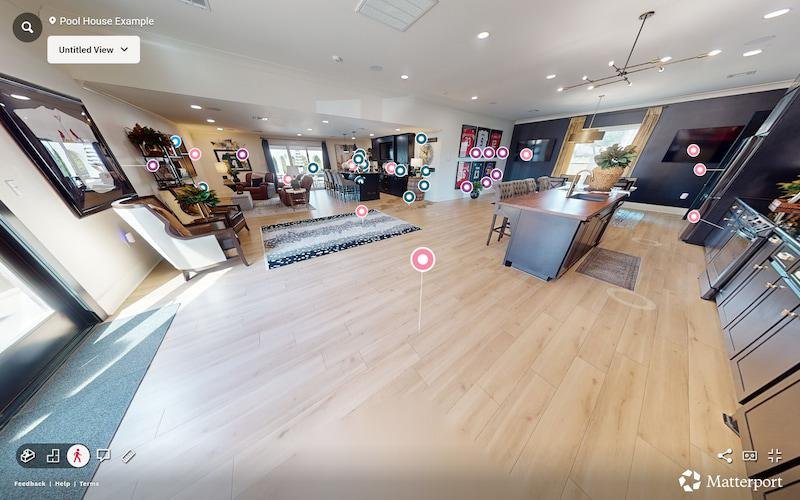
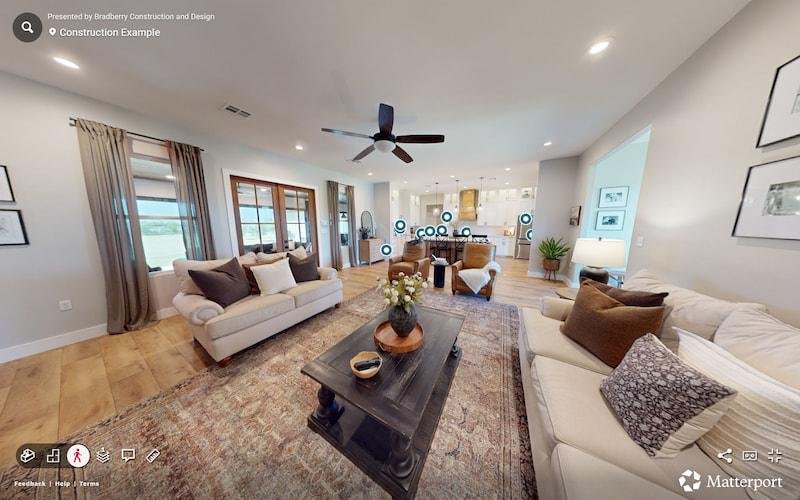
One independent record of a home and everything in it — so the family, the executor, and the attorney or advisor guiding them all work from the same picture, whether you're planning ahead or settling an estate.
Estate inventory documentation is a professional, dated record of a home and its contents — a walkable 3D model, floor plans, still photos, and tagged belongings, from furniture and art to jewelry and heirlooms, each noted with make, model, and detail where available. It's built to support estate planning and the family, executors, and advisors who one day settle an estate.
More than half of U.S. adults — 56% — have none of the core estate planning documents in place, and even the ones who do rarely account for the home itself and everything inside it. That gap is what a DHDO scan closes. It works alongside your attorney, financial advisor, or estate professional — not as an appraisal, a valuation, or a legal service.Source: Trust & Will 2026 Estate Planning Report
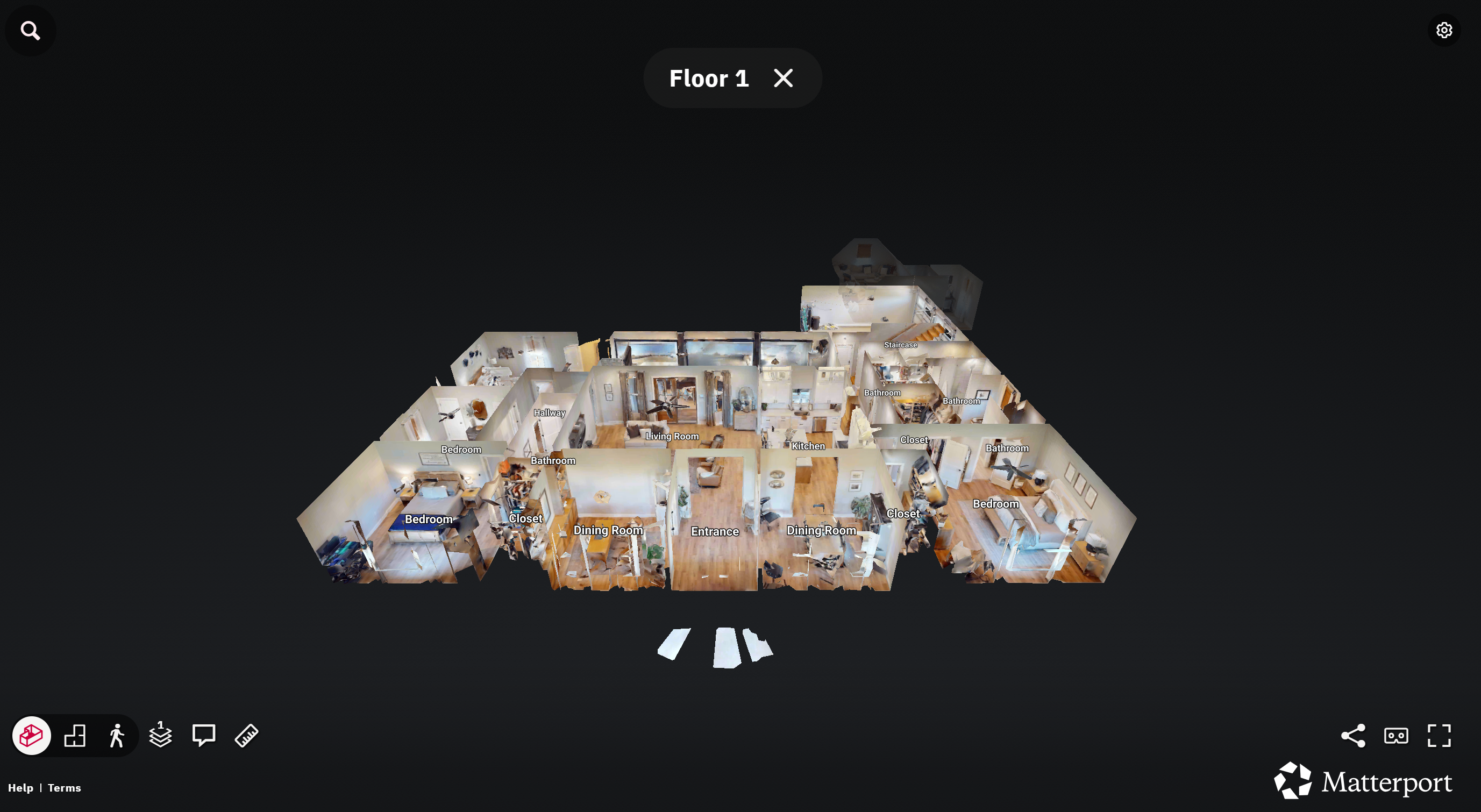
An actual DHDO scan, shown as the 3D “dollhouse” view — every room in the home visible at once.
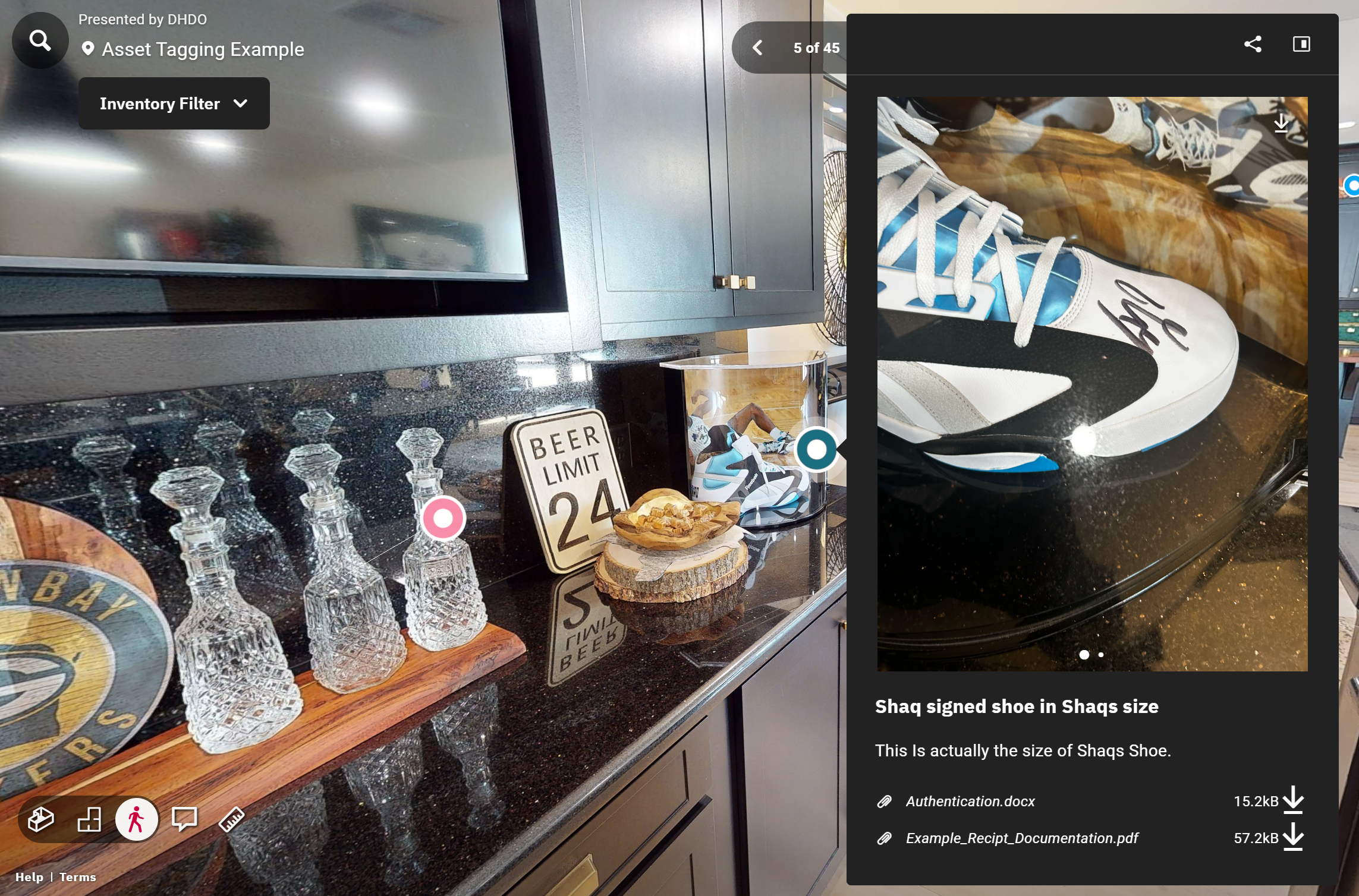
A room-by-room record of the home and its contents, with individual tags on the pieces that matter — make, model, and identifying detail where available. It's the difference between a category on a list and a clear picture of the actual item.
In Louisiana, settling an estate means filing a sworn descriptive list of what the person owned. Pulling that together from memory, old receipts, and a house full of belongings is one of the heaviest parts of the job — and it usually falls to family in the middle of grief. A DHDO record gives the executor and their attorney a clear visual account of the home to work from, so the estate is easier to see and the family has a clearer starting point for settling it.
Your record is delivered through a secure, private client portal. Heirs, executors, and advisors can all view the same record from wherever they are — no passing files around, no scheduling another walkthrough, no one working from a different version of the home.
Documenting the home is one of the most concrete steps on an estate planning checklist — and one of the few that spares the people you love from guesswork later. It's a way to leave clarity, not just instructions.
Stepping in as executor often means accounting for a home full of belongings you didn't live with, on a deadline, while everyone around you is grieving. A full visual record turns that from a guessing game into something you can actually work through.
For families preparing to downsize or move a parent, a shareable record lets relatives review the home from anywhere and sort out who takes what — together and ahead of time, instead of in a rushed weekend.
When a client passes without a record of their home, the work lands on you — reconstructing an estate from receipts, memory, and a family's phone photos. DHDO gives your practice a consistent, professional record of a client's home and contents, so intake, distribution, and succession filings start from something solid. We handle the documentation, so you can focus on the work only you can do.
of U.S. residents have never made a home inventory — leaving families and executors to reconstruct a lifetime of belongings from memory.Source: Farmers Insurance Seasonal Smarts study, 2019
The hardest parts of an estate are rarely the big, obvious assets. They're the details — what was in the home, whose it was, and what everyone remembers differently. A record made ahead of time replaces recollection with reference.
The best record is made while the person who knows the home best can still say what each piece is and where it came from — the ring that belonged to a grandmother, the painting bought on a trip decades ago. Once that's gone, no inventory can bring the story back. That's what we capture now.
The items that divide families are seldom the most valuable ones — they're the personal ones, where the meaning outweighs the price. When wishes were never written down, the people left behind are left to guess. A shared, itemized record gives everyone the same starting point.
A record of a family's home is private, and we treat it that way — kept secure and shared only with the people you choose. Discretion is part of how these records are meant to be handled.
A record made today is one your family and their advisors can rely on for years. Booking takes one quick phone call — we'll confirm your scan date within one business day. We're based in Lake Charles and serve families across South Louisiana.
Book a ScanThese are actual Matterport scans DHDO has delivered to clients. Click any card to explore the full interactive 3D model — this is exactly what you receive.


No. A DHDO scan is a documentation tool — a detailed 3D record of the home and its contents. It doesn’t assign values or replace a required legal filing. What it does record, for each tagged item, is make, model, serial number and purchase date, plus a link to that exact product online or the closest comparable one where it can be found — if it’s listed online, we’ll find it. That link shows what the item is and what it currently sells for; it isn’t an appraisal, and because listings change or get removed it’s a starting point rather than a settled figure. For formal valuations or legal documents, a licensed appraiser or your attorney handles those, and the scan supports their work.
Detailed enough that anyone reviewing it — family, an executor, an attorney, or a tax authority — can identify each item and trust the account. In practice, high-value pieces like jewelry, art, and collectibles are listed individually, while everyday belongings are grouped by category. A DHDO scan captures that identifying detail visually: every room, plus tags noting make, model, and specifics on the items that matter, so less gets missed. The values themselves come from a licensed appraiser.
It can support the work, though it isn’t a substitute for legal counsel. A Louisiana succession requires the executor to file a sworn descriptive list of the estate’s assets, valued at fair market value at the time of death and typically prepared by your attorney. A DHDO record gives them a visual, room-by-room reference of the home’s contents to work from while preparing that list — and if privacy is a concern, Louisiana law allows the sworn descriptive list itself to be filed under seal, shielding asset values from public record. Your attorney guides what your specific succession requires.
You decide who gets access from the start — an executor, an heir, an attorney, or an advisor — through your secure client portal, and access can be shared or handed off as circumstances change. Each scan also comes with a physical thumb drive that’s yours to keep permanently. Portal access runs on an annual basis — see our Privacy Policy for how renewal works. Families keep the thumb drive as a lasting reference regardless, and can renew portal access, pass it to heirs, or coordinate a handoff to a new owner if that’s part of the plan.
Yes. Before the visit, you tell us what’s off-limits — a closet, a room, the contents of a safe — and it’s left out of the scan itself, not just kept from whoever sees the record afterward. You’re in control of what gets documented from the start.