 NASA / NOAA satellite imagery · Hurricane Laura, Aug 2020 (public domain)
A claim backed by dated proof, not a memory. DHDO builds a room-by-room record of your home or business — every appliance, every serial number, every room — before a storm ever forms, so if your property is affected, you have evidence instead of guesswork.
NASA / NOAA satellite imagery · Hurricane Laura, Aug 2020 (public domain)
A strong hurricane claim needs one thing above all: dated, room-by-room proof that predates the storm — not an estimate of what your kitchen held, and not a guess at what your furniture or equipment was worth. A record made before the storm arrived, independent of anyone's account of it afterward, captured by a third party rather than self-reported. That record may help support your position if a claim is ever disputed. DHDO's documentation is built around three things:
Every room and outbuilding captured in navigable detail before storm season — a record your adjuster can revisit anytime, from anywhere, instead of a stack of phone photos taken in a hurry.
Make, model, serial number, and purchase date attached to the items that matter — a home inventory list for insurance claims that's already finished before you ever need it, not a paper checklist you have to build and maintain yourself.
Every scan carries an independent date and is captured by our team — so there's no question about when the record was made or who made it, and no risk of guessing after the fact.
Churches, schools, apartments, and other local businesses across Southwest Louisiana face the same exposure a home does — often with more square footage, equipment, and inventory riding on it. The same room-by-room process applies; we simply scope the visit to the size of the property. If you're documenting a multi-unit building or community facility, mention it when you book so we can plan the visit accordingly.
The Gulf Coast has weathered Katrina, Rita, Laura, and Delta — and in Southwest Louisiana, the pattern after each storm looks the same, whether it's a family living room or a church fellowship hall: someone trying to describe what a space looked like, what was inside it, and what it was worth, working only from recollection. A claim built on nothing but recollection rarely holds up the same way one built on a dated, independent record does.
Without a pre-loss record, an adjuster is often working from a homeowner's or business owner's account of what a space held and what it was worth, filed weeks or months after the storm. A dated record gives them something to check against, instead of something to take on faith.
A single hurricane routinely causes both wind and flood damage, and the two are typically covered by separate policies. Without proof of pre-storm condition, disputes over which damage falls under which policy can stretch on for months. A record made before landfall gives both sides a fixed point of reference.
Rebuilding costs shift every year, but policy limits don't always follow. Without a documented, itemized account of what's actually in a home or building, it's harder to show that a payout is falling short of what replacement actually costs today.
homeowners who suffered a total loss during a natural disaster were not paid their full contents benefits until they completed a detailed, itemized inventory — reconstructed item by item, from memory, after everything was gone.Source: United Policyholders survivor surveys — only 10% of 2025 Los Angeles wildfire total-loss survivors were paid full contents benefits without completing an itemized inventory.
Availability tightens fast once a storm is named and tracking toward the coast. The best time to book is before a system even forms — call as early in hurricane season as you can.
Our team walks the property room by room — the kitchen, the closets, the garage, the attic — with close-up detail on higher-value items like electronics, appliances, and equipment along the way. It's a complete pre-loss baseline, captured by our team rather than assembled by you after the fact.
We attach make, model, serial number, and purchase date to the items that matter, backed by receipts where you provide them — every item catalogued against a record that carries its own date.
Your 3D record and tagged inventory live in your private client portal, reachable from any device — and you will also receive a physical USB drive as an offline backup, in case internet access is the one thing you don't have after a storm.
The homes and businesses that go into hurricane season already documented are the ones that walk into a claims conversation with a record, not just an account of what happened.
Book a ScanA few examples of the detail a DHDO scan captures — the kind of documentation an adjuster can walk through, not just read about.
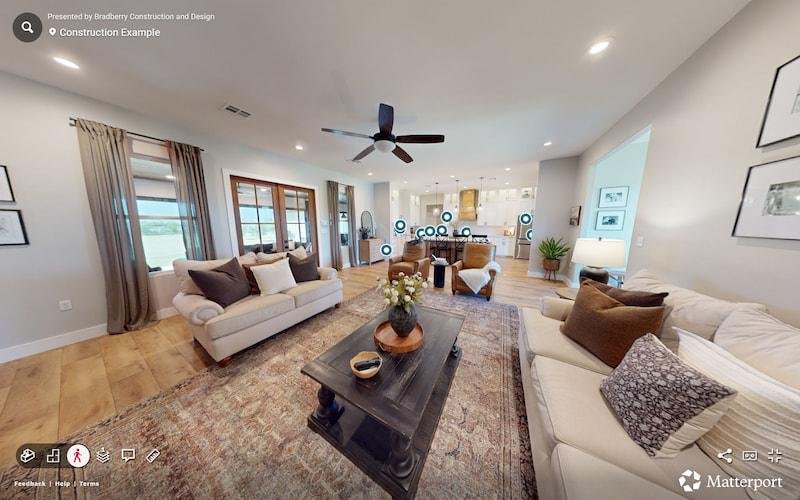
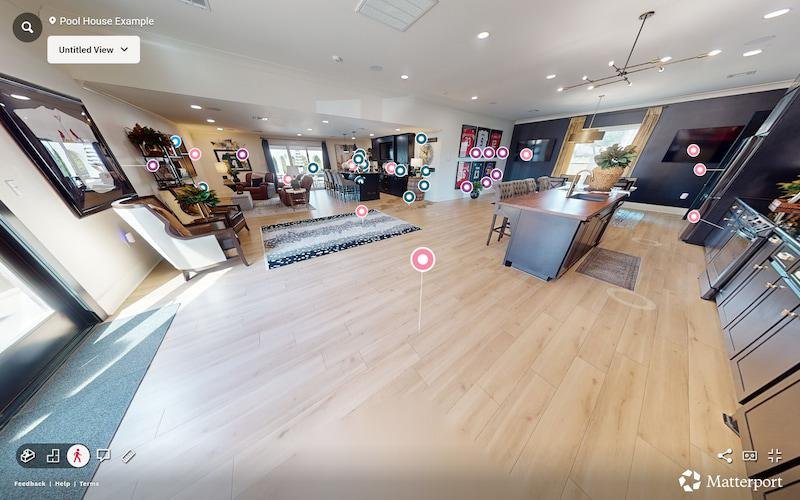
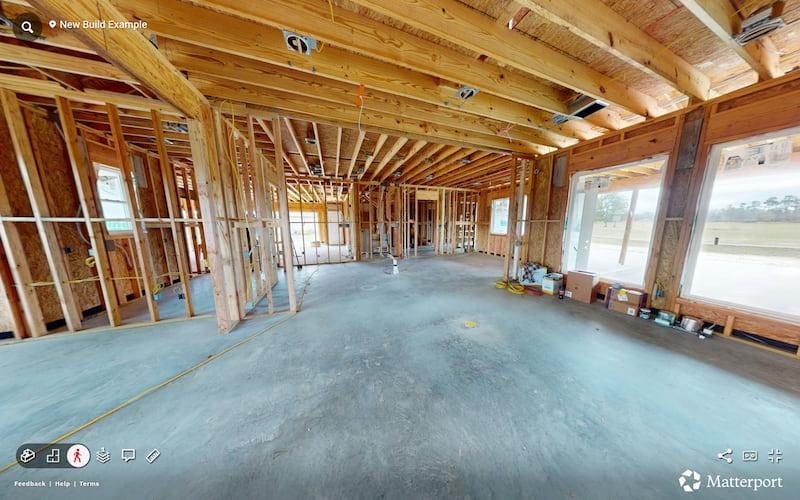
Practical answers on timing, coverage, and what happens to your record — so you can plan your documentation well ahead of storm season.
Ahead of almost everything else on that list. Most hurricane prep — batteries, shutters, water — happens once a storm is being tracked, but documentation only counts if it’s finished before then. Treat it as a start-of-season task, not a storm-week one.
Most adjusters welcome more documentation, not less — a dated, room-by-room record gives them a reference point instead of relying only on your account of what was lost, and can help support your case if there’s ever a dispute over whether damage was pre-existing. Pre-existing damage disputes are a common way insurers reduce payouts, and a dated pre-loss record is a direct, real-world defense against that. We can’t guarantee how any specific insurer or adjuster will weigh it in the claims process; that decision sits with your policy. What we can guarantee is that the record exists, is dated, and is ready when you need it.
The value of this service is documenting a property before a loss, so the record clearly predates the storm. If damage has already occurred, a scan can still capture the current condition for your own records, but it can’t establish a pre-loss baseline after the fact. Call (337) 415-1951 and we’ll talk through whether documentation still makes sense for your situation.
Both — the process is the same, just scoped to the property. A single office takes less time than a full apartment complex or church campus, so let us know the size and layout when you book and we’ll quote the visit accordingly, rather than charging a flat homeowner rate for a much larger space.
Your pre-loss scan establishes the baseline — what you owned and its condition before the storm. After landfall, take dated photos or video of the damage itself, keep receipts for any emergency repairs (tarping, board-up, water mitigation), and avoid discarding damaged items until your adjuster has seen them or told you it’s fine to do so. Together, the before-and-after record gives your adjuster the clearest possible picture.
Still have a question? Call (337) 415-1951.